Communication: The Keeper’s Secret Weapon
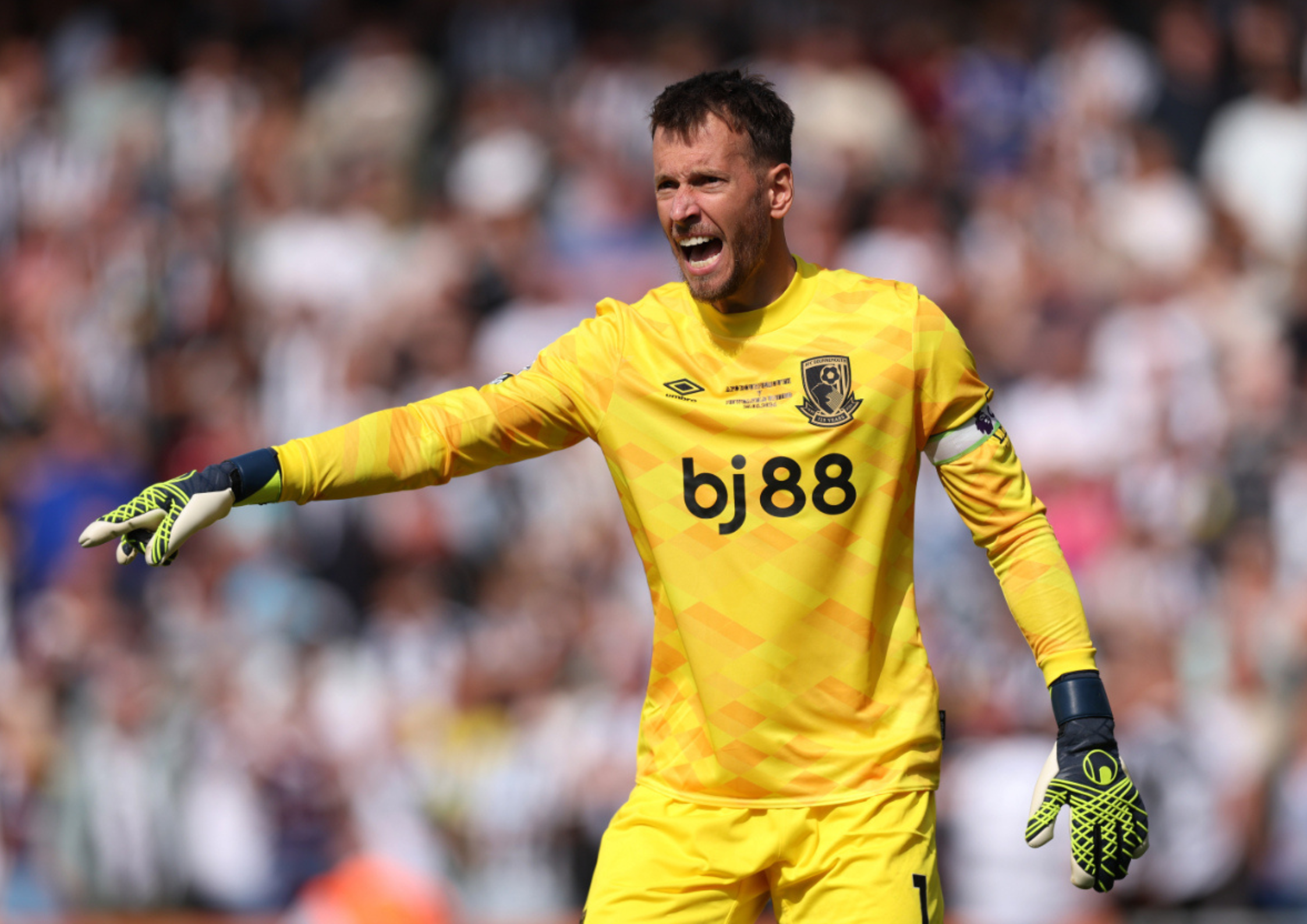
A quiet goalkeeper is a dangerous one — for the wrong reasons.
Good communication builds trust, confidence, and organisation.
What to Say
Keep it short, clear, and constant.
Some examples:
“Left shoulder!” or “Right shoulder!”
“Step!”
“Hold!”
“Keepers!”
“Man on!”
Always use player names to grab attention.
How to Communicate
Be early, not loud. Shouting late causes panic; speak before danger happens.
Commentate on the game. Guide your defenders before the play develops.
Stay calm. Clear tone builds trust.
Reinforce success. Praise defenders for good positioning — confidence spreads.
Common Mistakes
Talking too much with no direction.
Only shouting when things go wrong.
Using negative or unclear language.
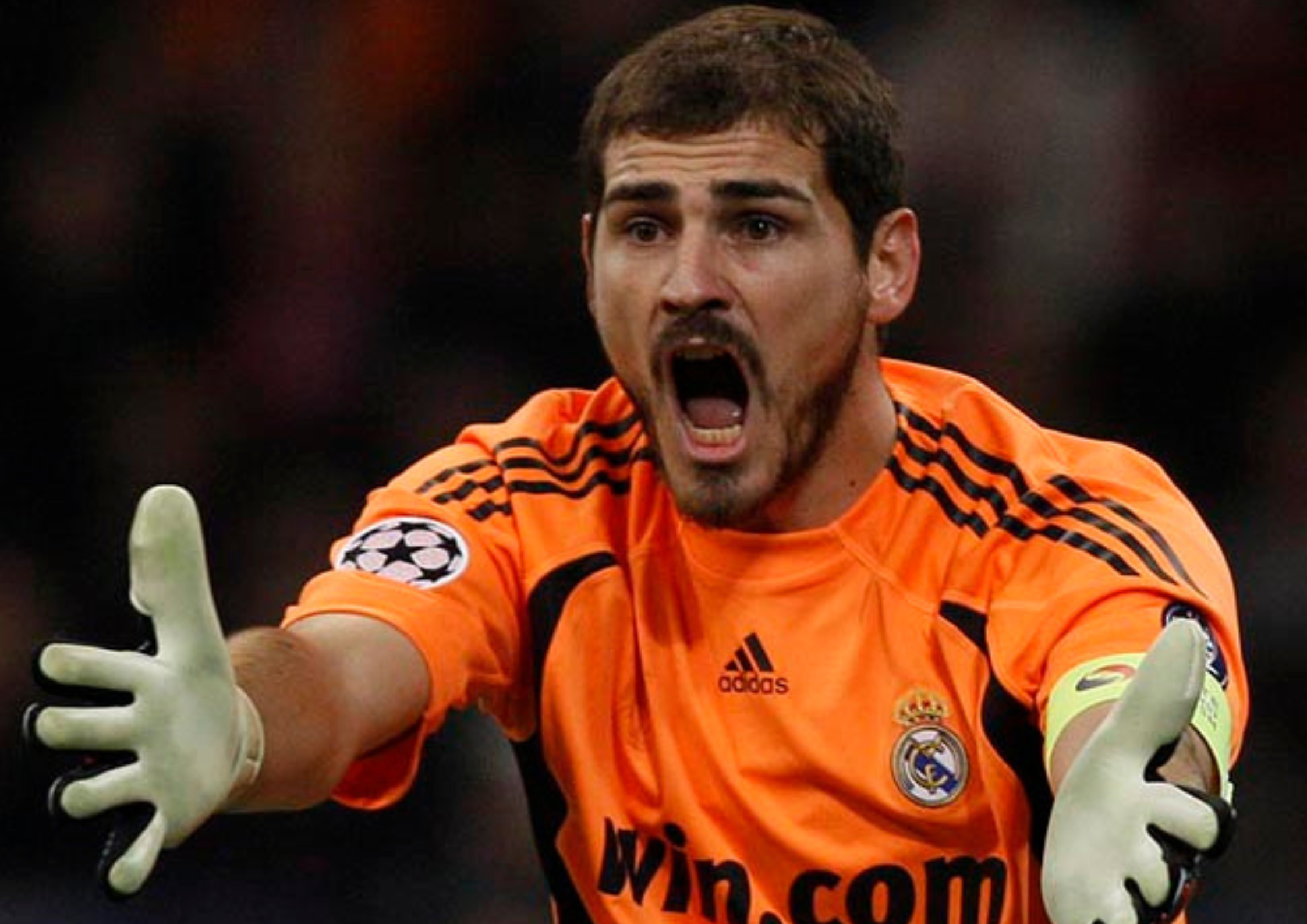
Professional keepers like Iker Casillas, Vic Esson, and Nick Pope all lead through presence, not just volume.
Simple Drills to Improve
Play small-sided games where the keeper must coach defenders.
Record your voice during matches — notice your timing and clarity.
Add communication goals to your session (e.g., “minimum 3 clear calls per play”).
Final Word
Communication is leadership. The best goalkeepers don’t just save goals — they prevent them before they happen.
Start talking early, stay positive, and own your penalty area.
The Goalkeepers’ View